
One commonly held belief about new housing development is that building market-rate housing will not help lower rent or benefit lower-income individuals. Based on a national survey of urban and suburban residents only 30-40% of people believe that increasing market-rate housing will lower home prices and rent. These beliefs are understandable. If the people who are having the hardest time affording housing are low-income individuals, the most obvious solution is to build more affordable housing. This is something that Nashville residents often say about the housing affordability issue in Nashville. However, studies have shown that building market rate housing is an effective tool in combating affordable housing challenges.
One study looking at 11 U.S. cities found that new market rate buildings with 50+ units lowered nearby rents by 5-7%. In the study the researchers looked at 92 50+ unit market rate apartment buildings across 11 U.S. cities. Another study done in NYC found that for every 10% increase in housing supply rent in nearby units lowered by 1% around a year after new buildings were completed. Five or more years after the new buildings were completed, rent dropped by around 3.5%.
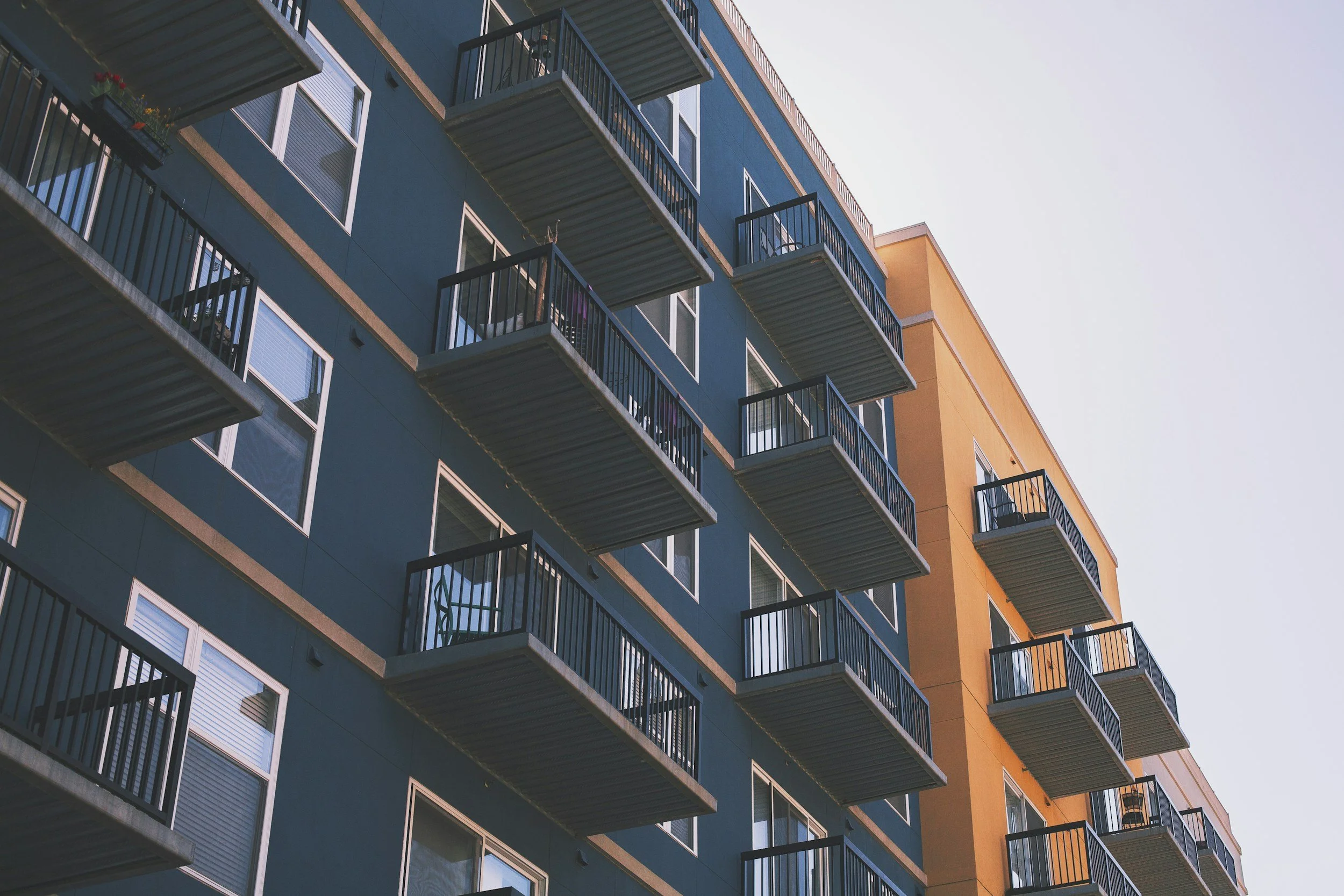
The most common objection to this kind of research is the “amenity effect” which is the belief that new buildings increase demand so much that reductions in rent won’t happen. Both studies address this. In the first study looking at 11 U.S. cities the researchers found that new buildings tended to be built in neighborhoods that were already appealing or were gentrifying. This led to the effect of one additional building on the overall perception and demand for the area being small. In the study done in NYC, the researcher found that the “amenity effect” does happen, but the supply effect is greater so rent does fall.
Another study describes how building market-rate housing helps free up more low-income housing through “moving chains”. The idea of moving chains is that when higher-income individuals move into new market-rate housing, they leave older, less expensive housing. This sets off a chain reaction that frees up housing all the way to lower-income levels. The study tracked 52,000 residents in 686 market-rate buildings in 12 large U.S. cities. The researcher looked at where that resident lived beforehand and who moved in when they left. They then did that same process for that individual, and the next, continuing the chain for a total of 6 rounds. By the 6th round of moves, 40% of people moving into units came from below median income housing, therefore freeing up more low-income housing. Most of the moves happened in around 3 years. This demonstrates that building market-rate housing does help lower-income individuals, even if the effect is not immediate.
Further, according to a Harvard report on housing in 2025, markets with the most housing construction have seen declining rent. In early 2025, in 10 large markets that had the highest housing permitting rates from 2020-2023 rents dropped an average of 2.5%. In contrast, rent increased by an average of 2.9% in the 10 metros with the lowest permitting rates. In Nashville, vacancy rates are 9-11%. At the same time rent is down 4.5% year-over-year as of January 2026. This suggests that building has helped Nashville’s market cool off and make things more affordable for residents.
All of this is not to say that affordable housing and rental assistance is not needed. Very low-income households still need additional and more immediate help to have stable housing. However, it is wrong to say that building market-rate housing is not part of the solution to address housing affordability issues. These solutions need to go hand in hand so that the overall market can get the relief it needs and low-income individuals can get the support they need as well. In this way, every neighborhood has a part to play in addressing the housing affordability challenge.